In the B2B sector, face-to-face networking, corporate hospitality, and large-scale public relations events remain some of the most effective ways to secure high-value contracts. However, when it comes to financial reporting, these events are often the most heavily scrutinized line items on a Chief Financial Officer’s desk.
The traditional disconnect is clear: Marketing and PR teams track success through attendee numbers, brand impressions, and seamless guest check-in experiences. Meanwhile, the finance department only sees a massive outflow of capital for venue rentals, hospitality protocol, and logistics. Bridging this gap requires moving beyond static spreadsheets and implementing dynamic, data-driven dashboards to accurately measure Corporate Event Return on Investment (ROI).
The Financial Blind Spot in Public Relations
Historically, B2B event marketing has been treated as a «sunk cost»—an unavoidable expense required to maintain industry presence. This mindset is dangerous in a high-cost capital environment. When corporate budgets tighten, the inability to quantify the financial return of a PR campaign makes it the first target for budget cuts.
The problem is rarely the event itself, but rather the fragmentation of data.
The PR Data Silo: Event managers possess granular data on guest check-ins, VIP protocol interactions, and attendee engagement.
The Sales Data Silo: The CRM holds the data on which of those attendees eventually signed contracts months later.
The Finance Data Silo: The ERP contains the exact, reconciled costs of hosting the event.
When these three data streams do not communicate automatically, calculating the true Cost Per Acquisition (CPA) for a client acquired through a corporate event becomes virtually impossible.
Architecting an Event Analytics Workflow
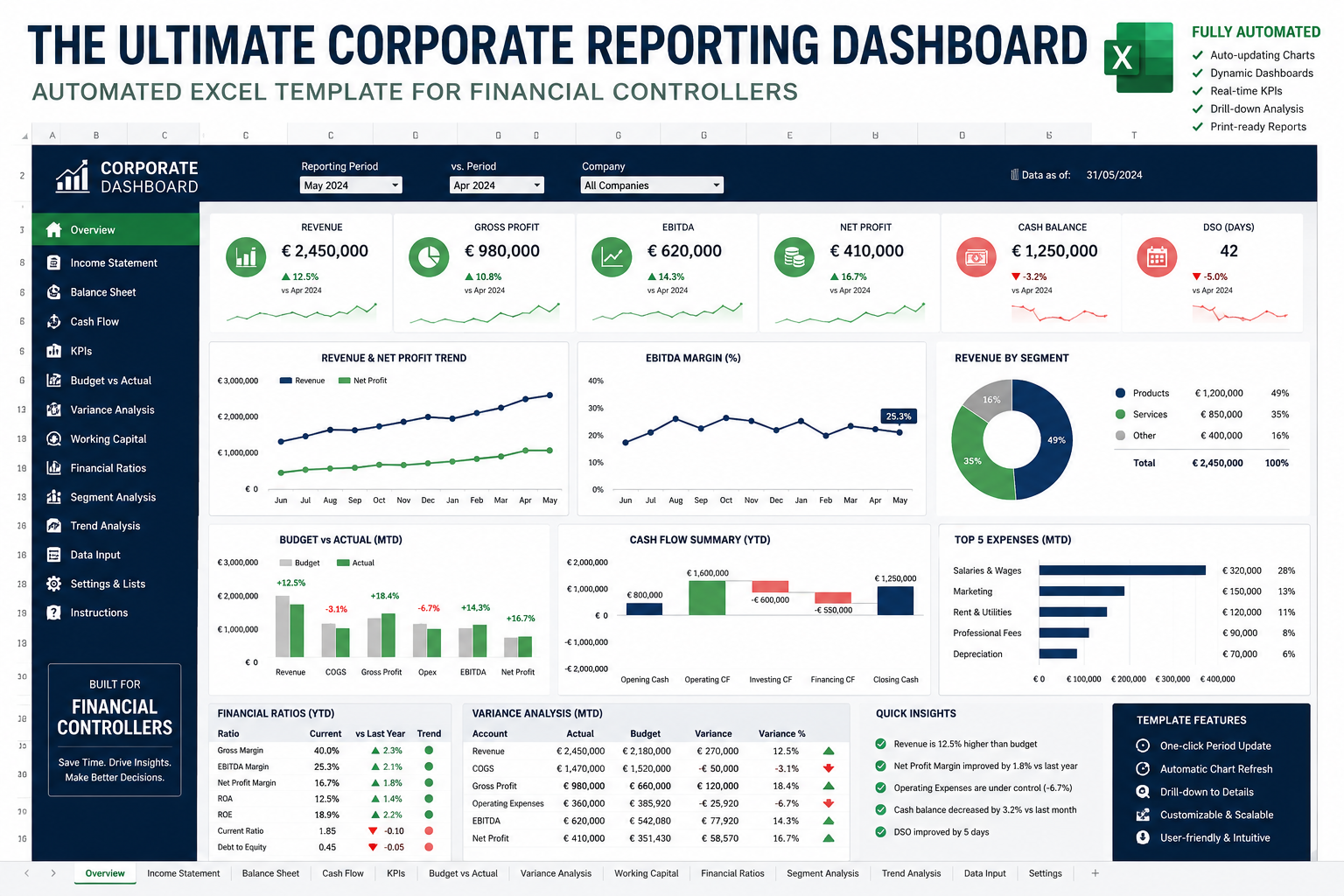
To transform PR from a perceived cost center into a measurable revenue driver, organizations must build an automated analytics workflow. This involves utilizing ETL (Extract, Transform, Load) tools like Power Query to merge disparate datasets into a single, cohesive financial model.
- Aggregating Real-Time Operational Costs
A dynamic dashboard begins by pulling live expense data. Instead of waiting for a month-end reconciliation, financial models should integrate directly with corporate procurement systems. This allows controllers to track venue costs, catering, and marketing collateral against the allocated budget in real-time, preventing the classic «budget overrun» surprise. - Integrating Guest Check-in and CRM Data
The true value of a corporate event lies in the room’s net worth. By linking guest check-in software directly to the company’s CRM, financial analysts can assign a preliminary pipeline value to the event. If 50 executives check into a hospitality suite, and historic data shows a 10% conversion rate for VIPs at an average contract value of $100,000, the dashboard immediately forecasts a $500,000 potential pipeline generated from that specific activation. - Long-Term Cohort Tracking
B2B sales cycles are long. The ROI of a major industry fair in May might not fully materialize until Q4. A sophisticated financial model doesn’t just look at immediate sales; it tags event attendees as a specific «cohort.» Over the next 12 to 18 months, the dashboard automatically tracks the lifetime value (LTV) of that specific cohort, finally giving the CFO a mathematically sound ROI figure for the event.
The Rise of Corporate Event Software
This demand for measurable ROI is fueling massive growth in the event management software sector. Companies are aggressively deploying platforms that combine hospitality protocol management with deep financial integrations.
For the financial controller or data analyst, the mandate is clear: you must become the architect of this data. By building dashboards that connect the logistical reality of event management with hard financial metrics, you empower leadership to make strategic, data-backed decisions about where to deploy their PR and marketing capital.
Ultimately, successful corporate relations are about more than just a flawless guest experience; they are about proving, down to the last dollar, the financial value of a handshake.